

What it is
Technical outdoor clothing works as a layered system: a base layer that moves moisture off the skin, a mid layer that traps warmth, and a shell that stops wind and rain. A single expensive garment cannot do all three jobs.
What is included
- Layering plan for the conditions you go out in
- Garments matched by weight and fibre
- Waterproof and breathability ratings explained
- Washing and reproofing instructions
- Manufacturer warranty on seams and membranes
How it works
Layer audit
We look at what you already own and find the gap, rather than selling you a full system you do not need.
Base and mid selection
We match fibre and weight to activity intensity, because a high-output layer that works for running will freeze you standing still.
Shell specification
We compare waterproof rating and breathability against how hard you work and how long you stay out.
Care instructions
We explain washing and reproofing, which is what keeps a shell performing after the first season.
Frequent questions
Should I wear cotton outdoors?
Not against the skin in cold or wet conditions. Cotton holds moisture and stops insulating, which is why synthetic and wool base layers exist.
Why has my rain jacket stopped beading water?
The durable water repellent finish has worn off. Wash the jacket properly and reapply a repellent treatment; this is maintenance, not a fault.
Is down or synthetic insulation better?
Down is warmer for its weight and packs smaller. Synthetic keeps insulating when damp. Wet conditions favour synthetic, cold and dry favour down.
Related
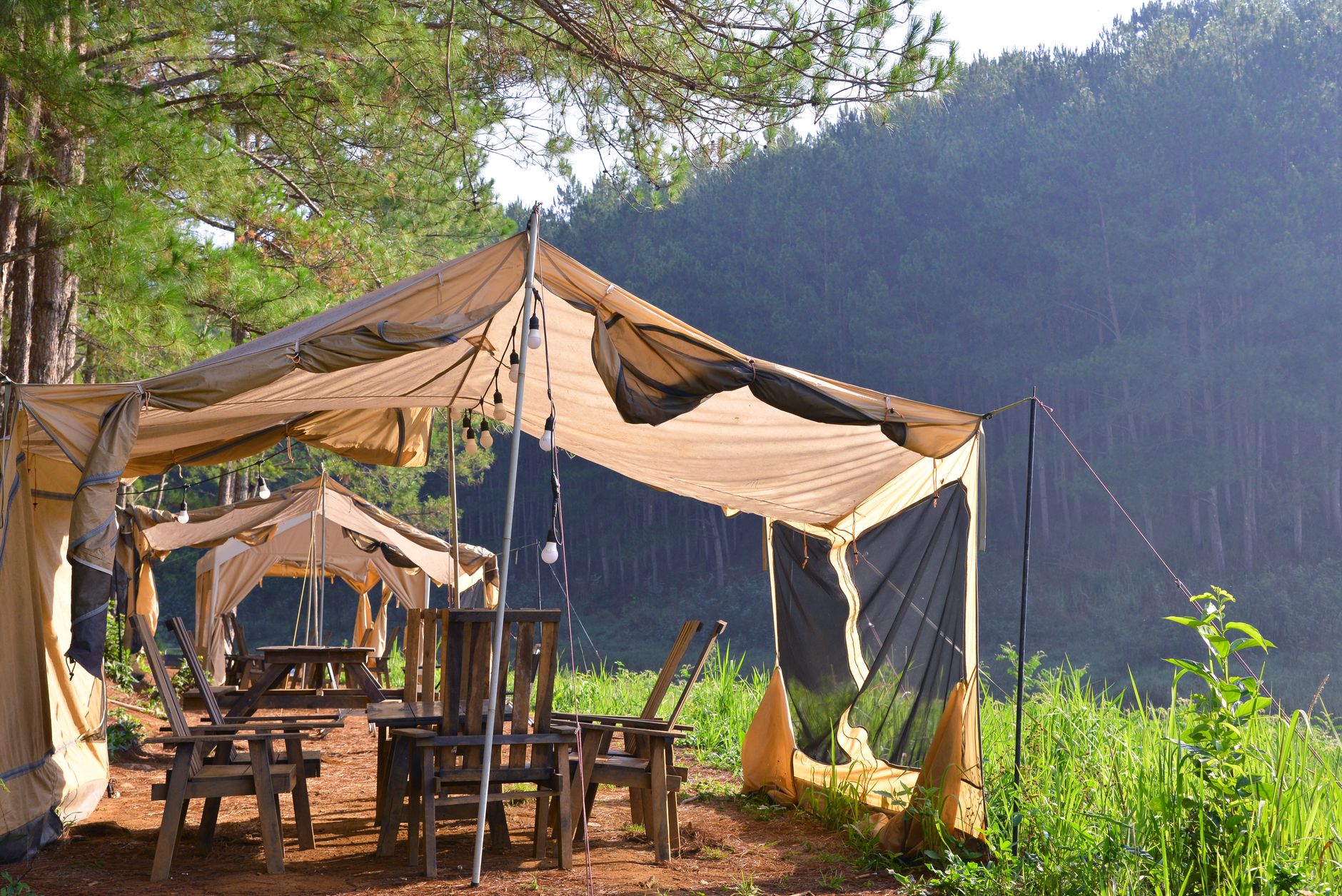
Rated for real weather
Tents and shelters
Tents selected by season rating, hydrostatic head and pole strength, pitched with you before you leave.
Route detail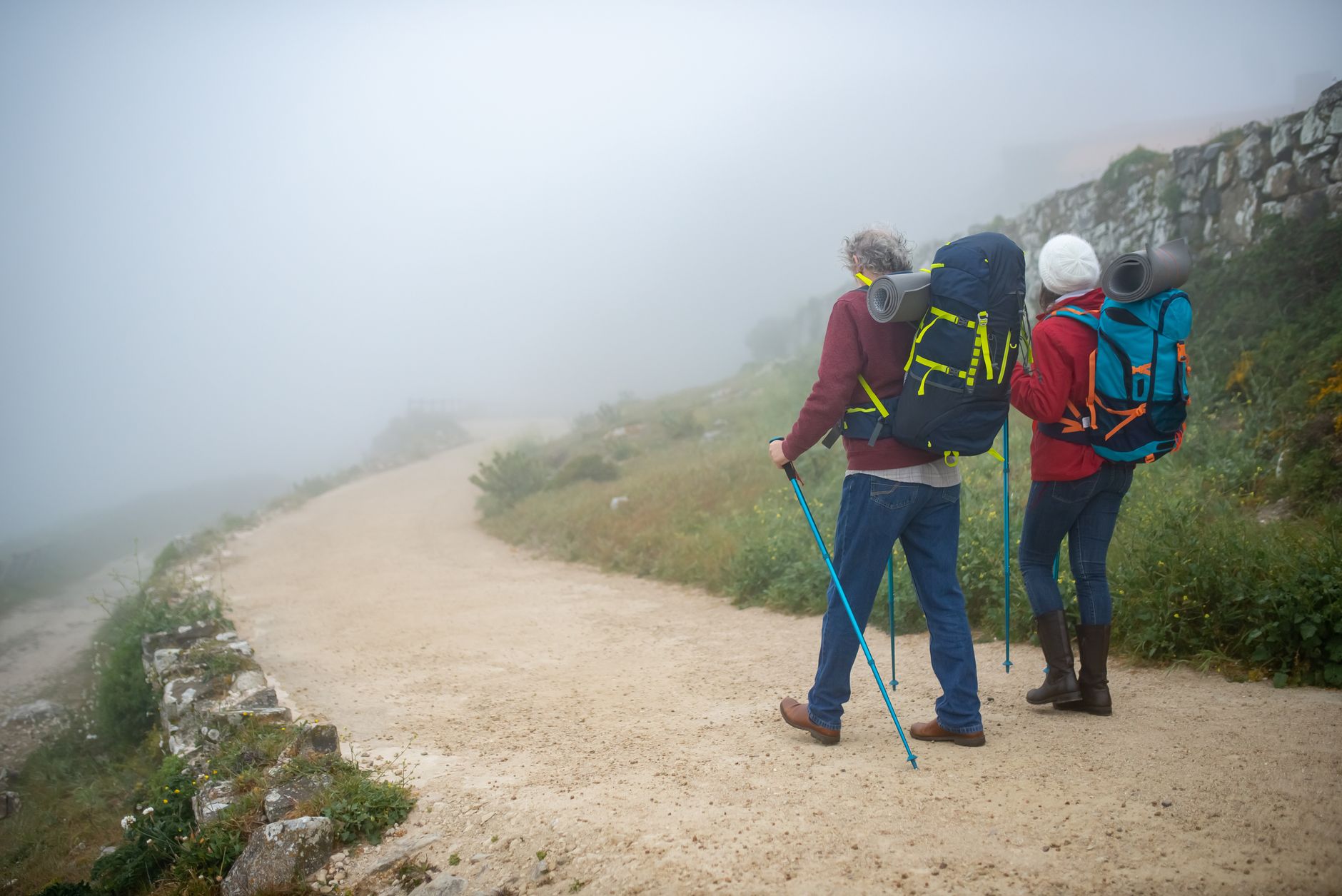
Fitted to your torso
Backpacks and carry systems
Packs sized by measured torso length and fitted loaded, so the weight sits on the hips.
Route detail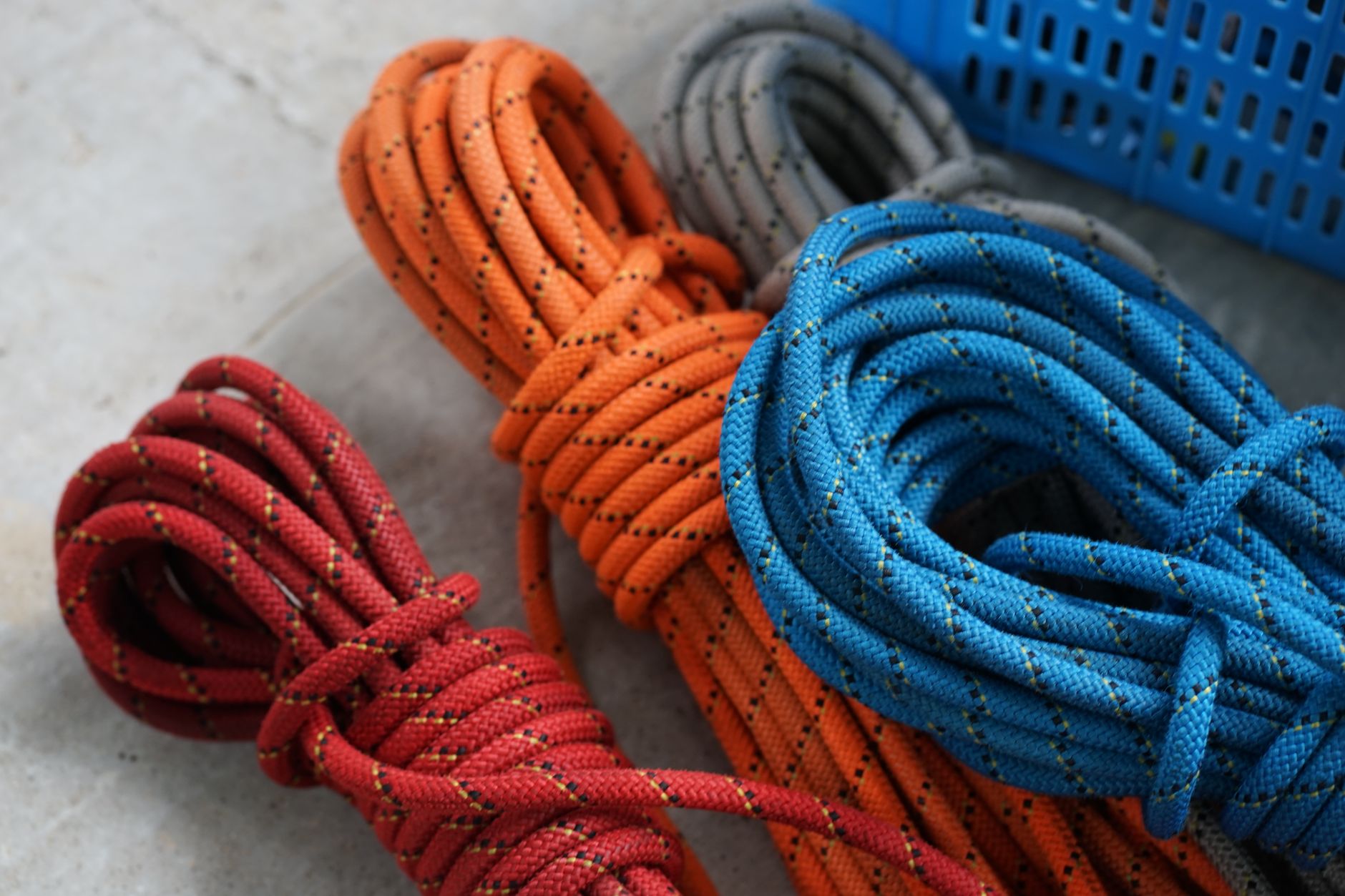
Certified hardware
Trekking and climbing gear
Harnesses, ropes and hardware supplied as a compatible system with the standard marking visible.
Route detail