
What it is
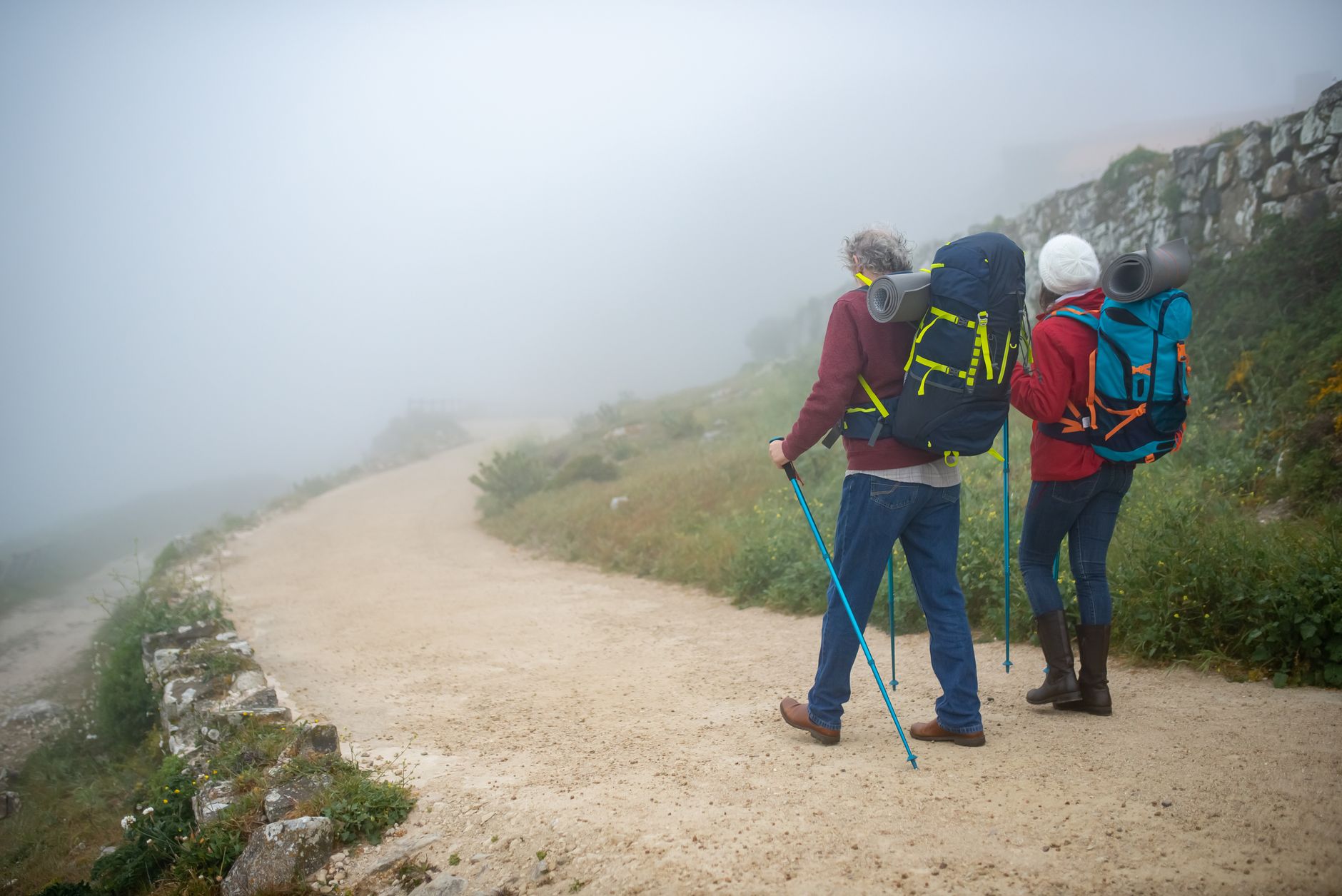
A pack carries load on the hips, not on the shoulders. Torso length, hipbelt fit and the volume you actually need decide comfort over a full day; the shoulder straps only stabilise what the belt is already holding.
What is included
- Pack sized to your measured torso
- Loaded fitting and strap adjustment
- Rain cover where the model includes one
- Packing guidance for weight distribution
- Warranty on frame and seams
How it works
Torso measurement
We measure from the C7 vertebra to the iliac crest. This gives the frame size, which matters far more than your height.
Volume by trip length
We match litres to the trip: day use, weekend, or multi-day with your own shelter and food.
Loaded fitting
We load the pack to a realistic weight and adjust belt, load lifters and sternum strap with it on your back.
Adjustment walkthrough
We show you the order to tighten the straps, which is what keeps the load on the hips after the first hour.
Frequent questions
How many litres do I need?
Roughly 20 to 35 for a day, 40 to 55 for a weekend, 60 or more for multi-day trips carrying shelter and food. Buying larger than you need only tempts you to fill it.
Why does my pack hurt my shoulders?
Almost always because the hipbelt is too loose or sitting in the wrong place. The belt should sit on the iliac crest and carry most of the weight.
Are men and women models really different?
Yes, in shoulder strap curve, belt angle and torso range. Fit by measurement and comfort, not by the label on the model.
Related
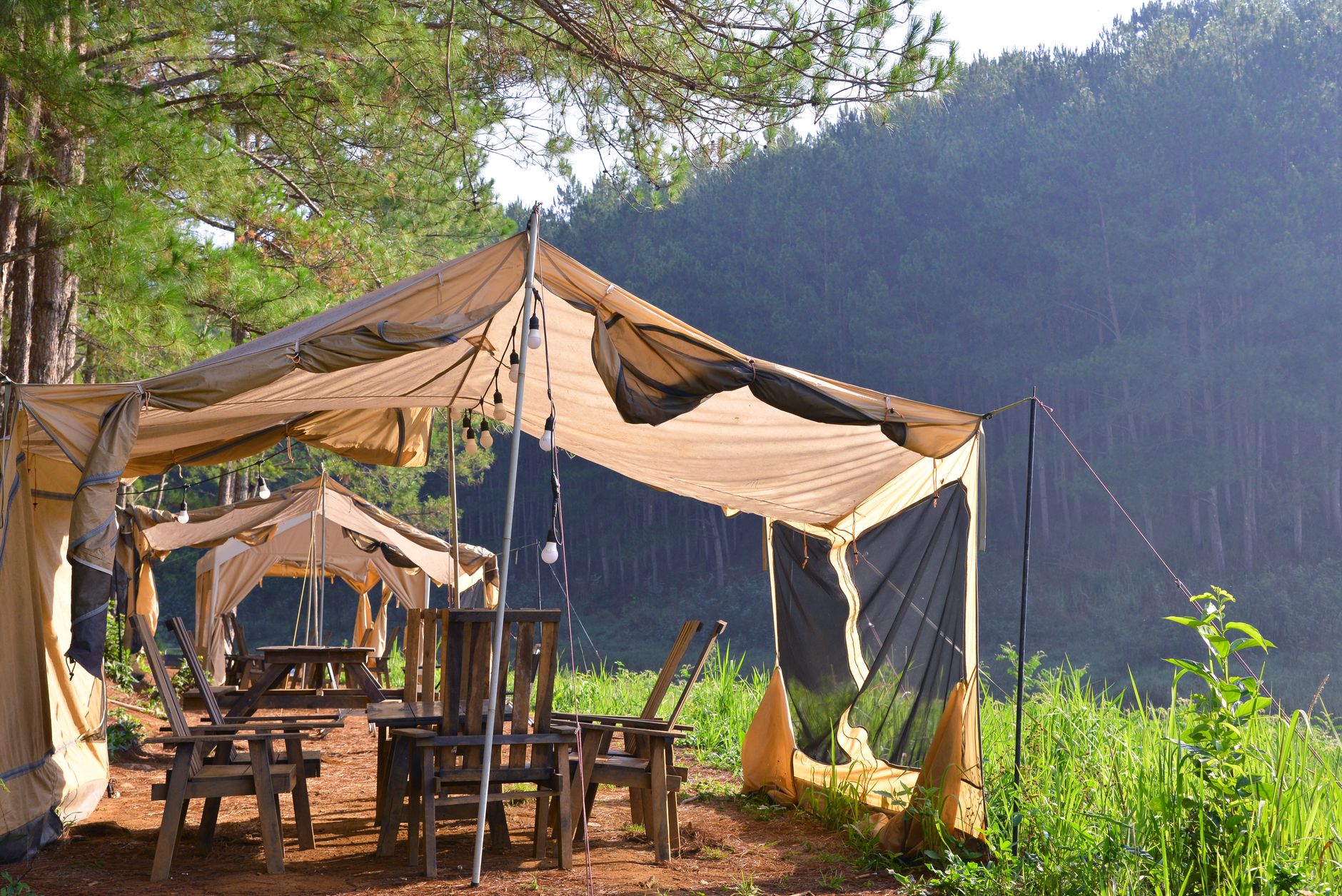
Rated for real weather
Tents and shelters
Tents selected by season rating, hydrostatic head and pole strength, pitched with you before you leave.
Route detail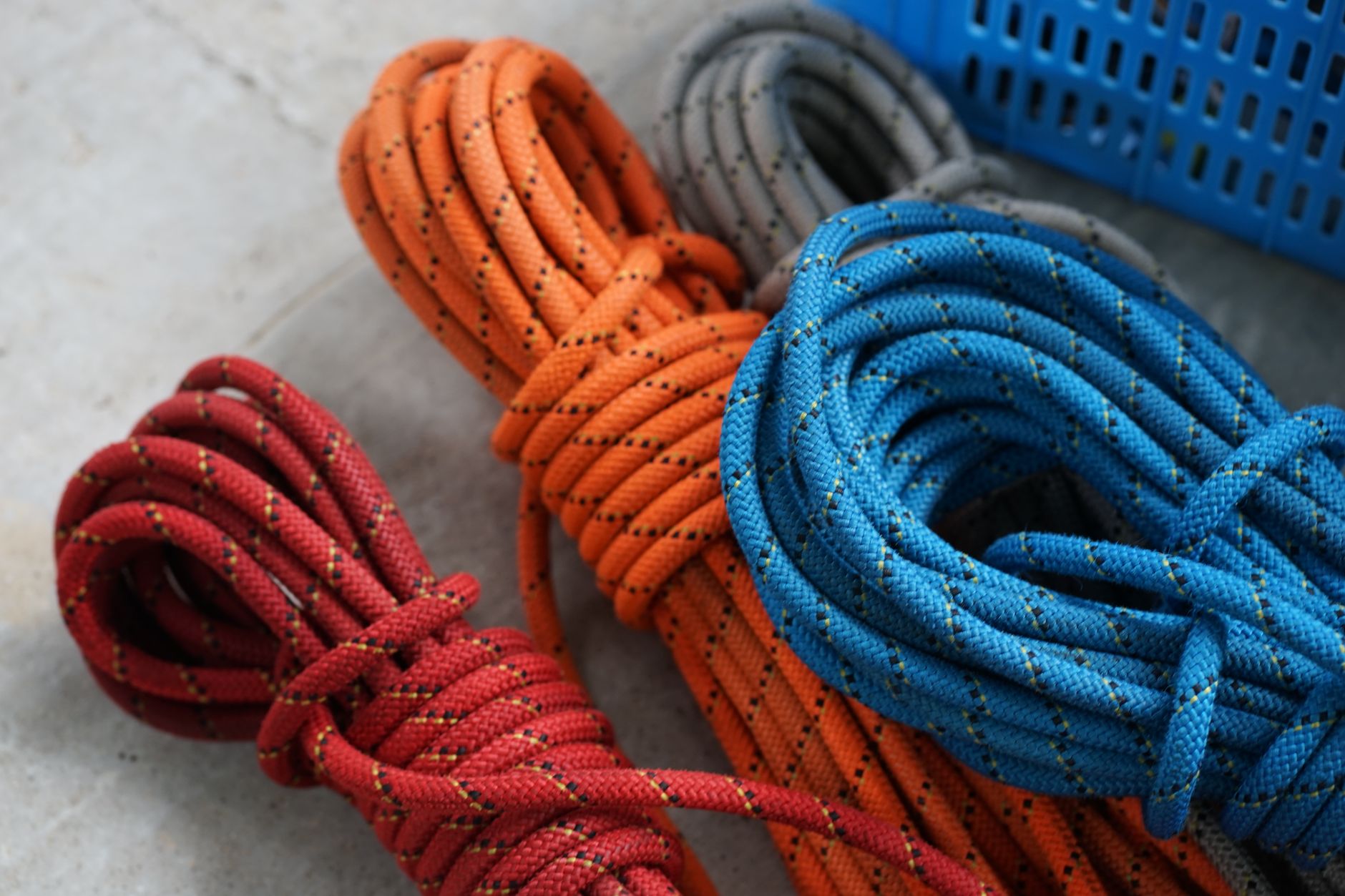
Certified hardware
Trekking and climbing gear
Harnesses, ropes and hardware supplied as a compatible system with the standard marking visible.
Route detail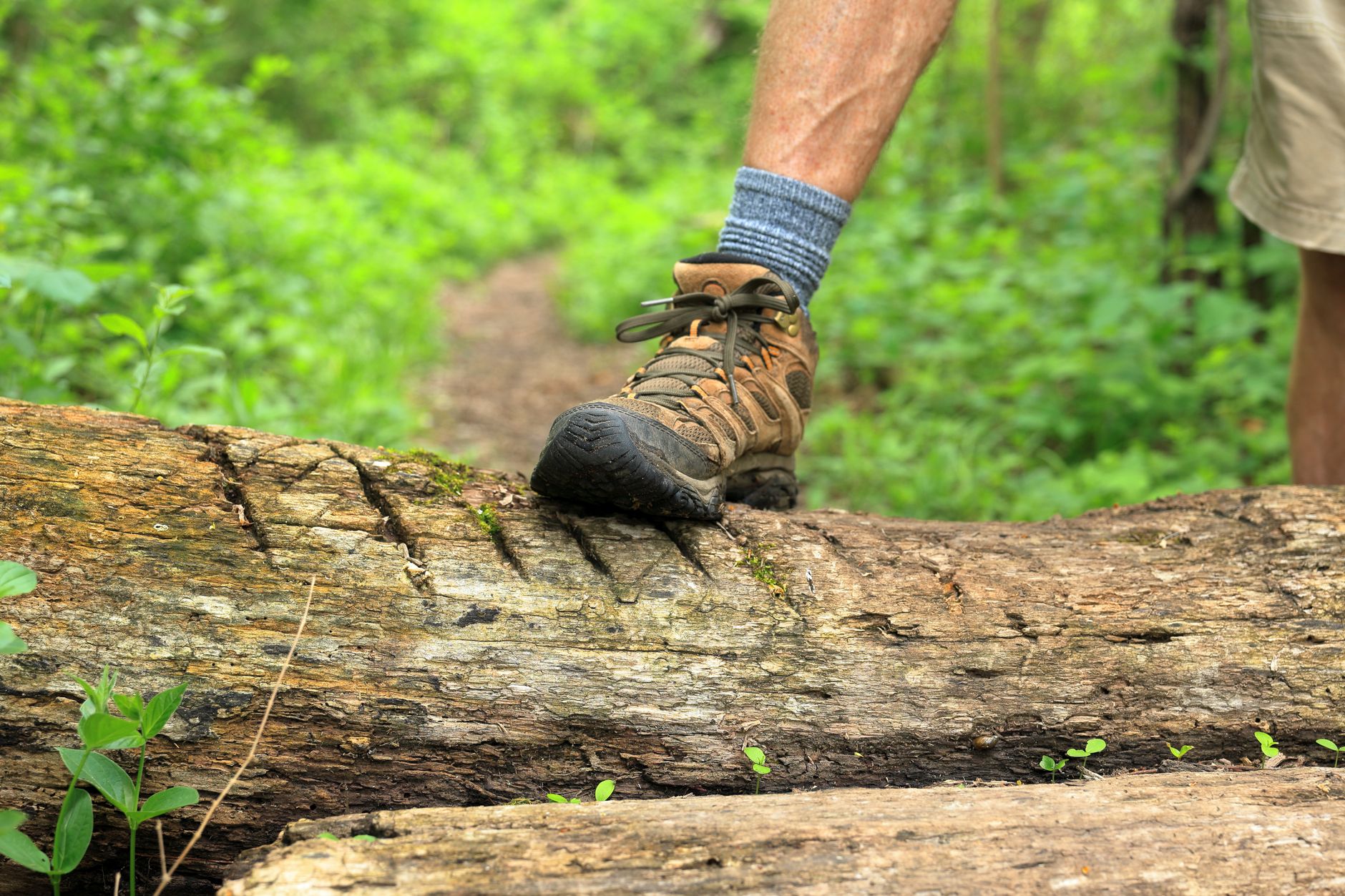
Fitted on both feet
Outdoor footwear
Boots and shoes matched to terrain and load, fitted at end of day with a slope check.
Route detail