
What it is
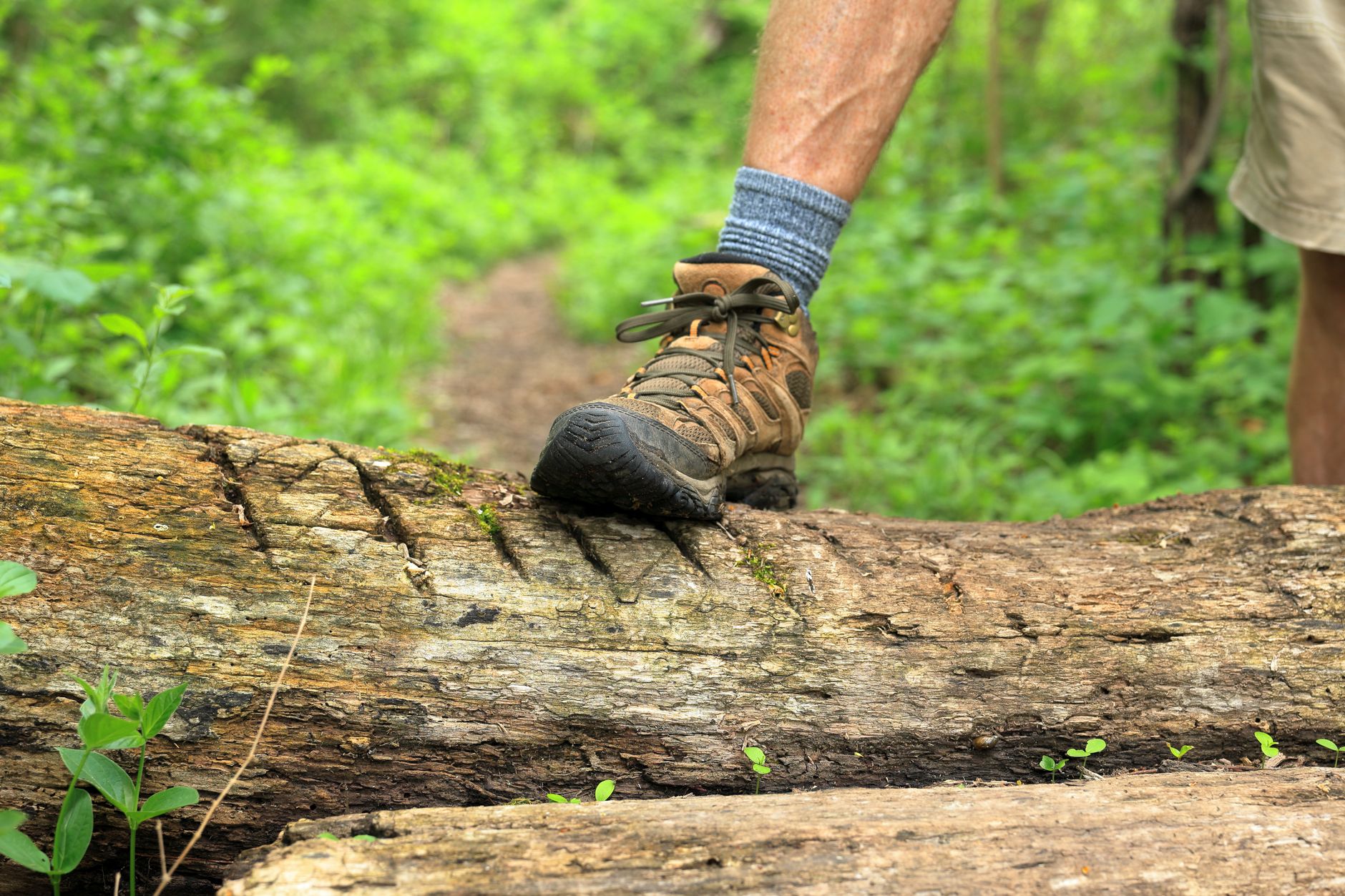
Outdoor footwear is chosen by the ground under it and the load on your back. Stiffness, ankle height and outsole compound are the three decisions; everything else follows from those.
What is included
- Fitting on both feet with a slope check
- Advice on sock thickness and lacing
- Break-in and care instructions
- Waterproofing guidance for the material
- Exchange if the fit fails in the first wear at home
How it works
Terrain and load
We ask what you walk on and what you carry. A heavy pack on rough ground needs a stiffer midsole than a day walk on trail.
Foot measurement
We measure both feet at the end of the day, when they are at their largest, and fit to the larger one.
Loaded try-on
We fit on a slope board with your own socks, checking heel hold uphill and toe clearance downhill.
Break-in guidance
We explain the break-in period for the specific construction, and what is normal versus what means the wrong size.
Frequent questions
Do I need a full boot or is a shoe enough?
Ankle height helps on uneven ground with a heavy pack. On maintained trail with a light load, a low shoe is usually more comfortable and dries faster.
Are waterproof membranes always better?
No. A membrane keeps water out but also slows drying and runs hotter. In warm, dry conditions a breathable non-membrane shoe is often the better choice.
How much room should there be at the toe?
About a thumb width in front of the longest toe with the boot laced. Too little and you will lose toenails on every descent.
Related
Rated for real weather
Tents and shelters
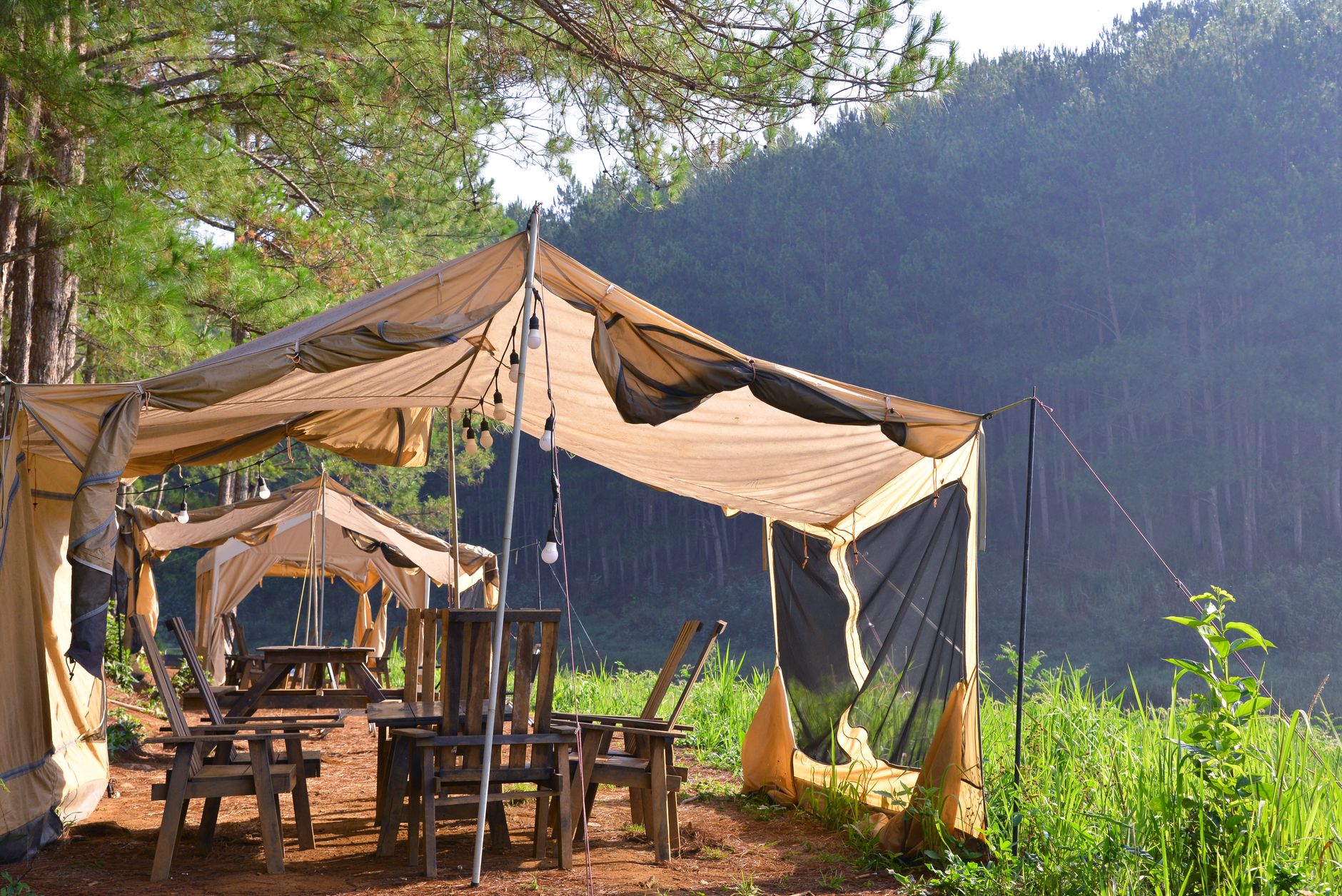
Tents selected by season rating, hydrostatic head and pole strength, pitched with you before you leave.
Route detail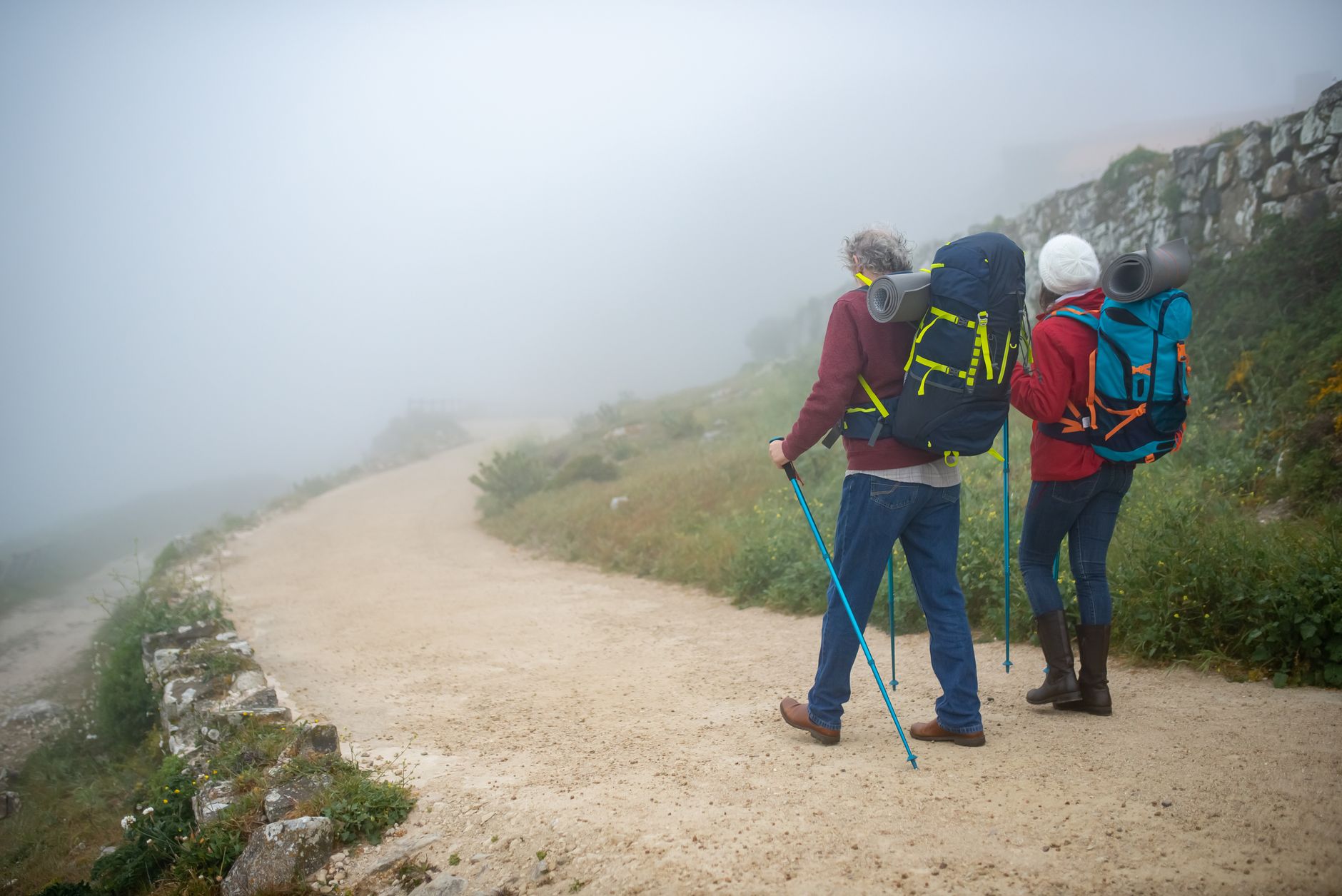
Fitted to your torso
Backpacks and carry systems
Packs sized by measured torso length and fitted loaded, so the weight sits on the hips.
Route detail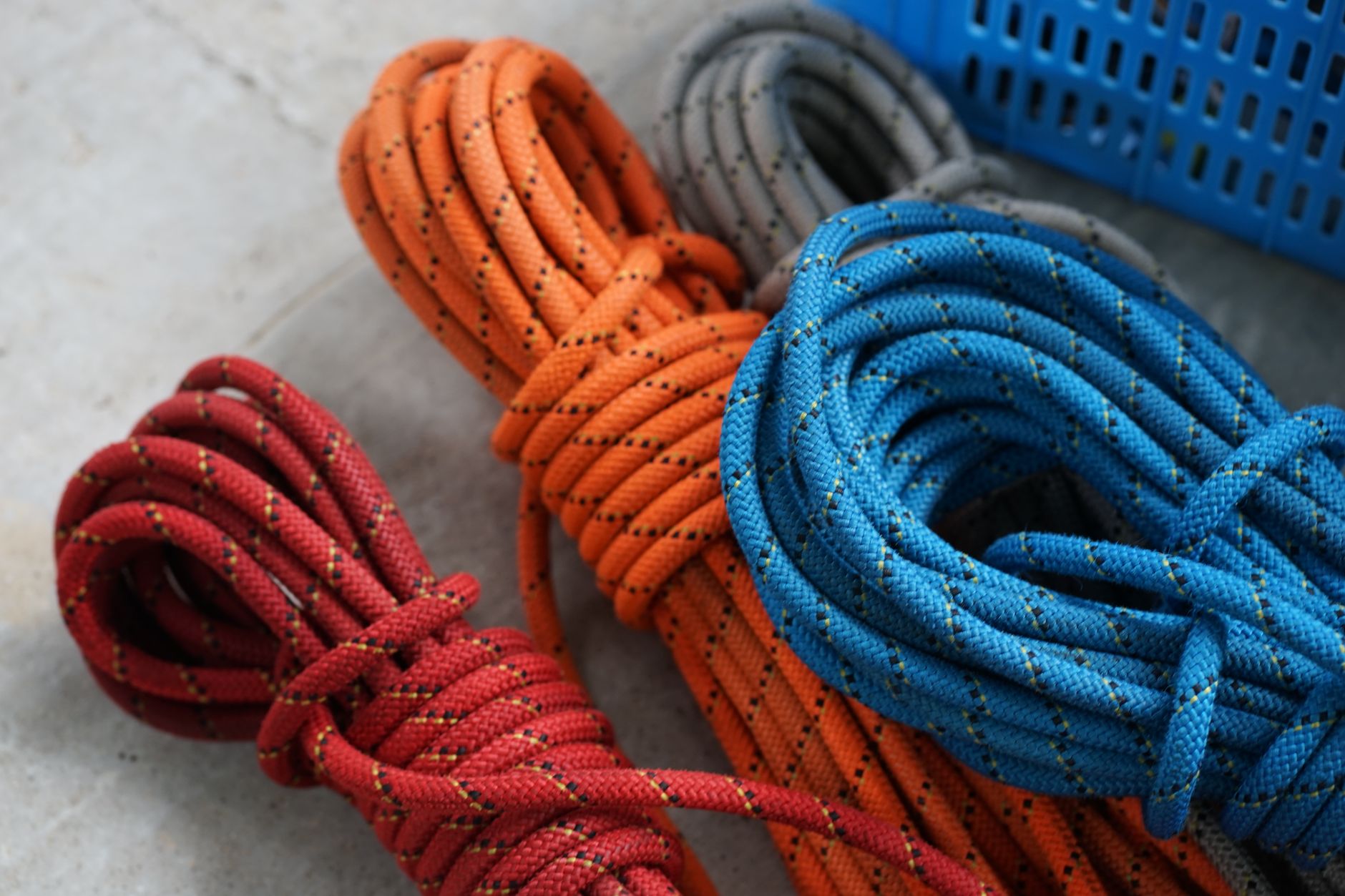
Certified hardware
Trekking and climbing gear
Harnesses, ropes and hardware supplied as a compatible system with the standard marking visible.
Route detail