
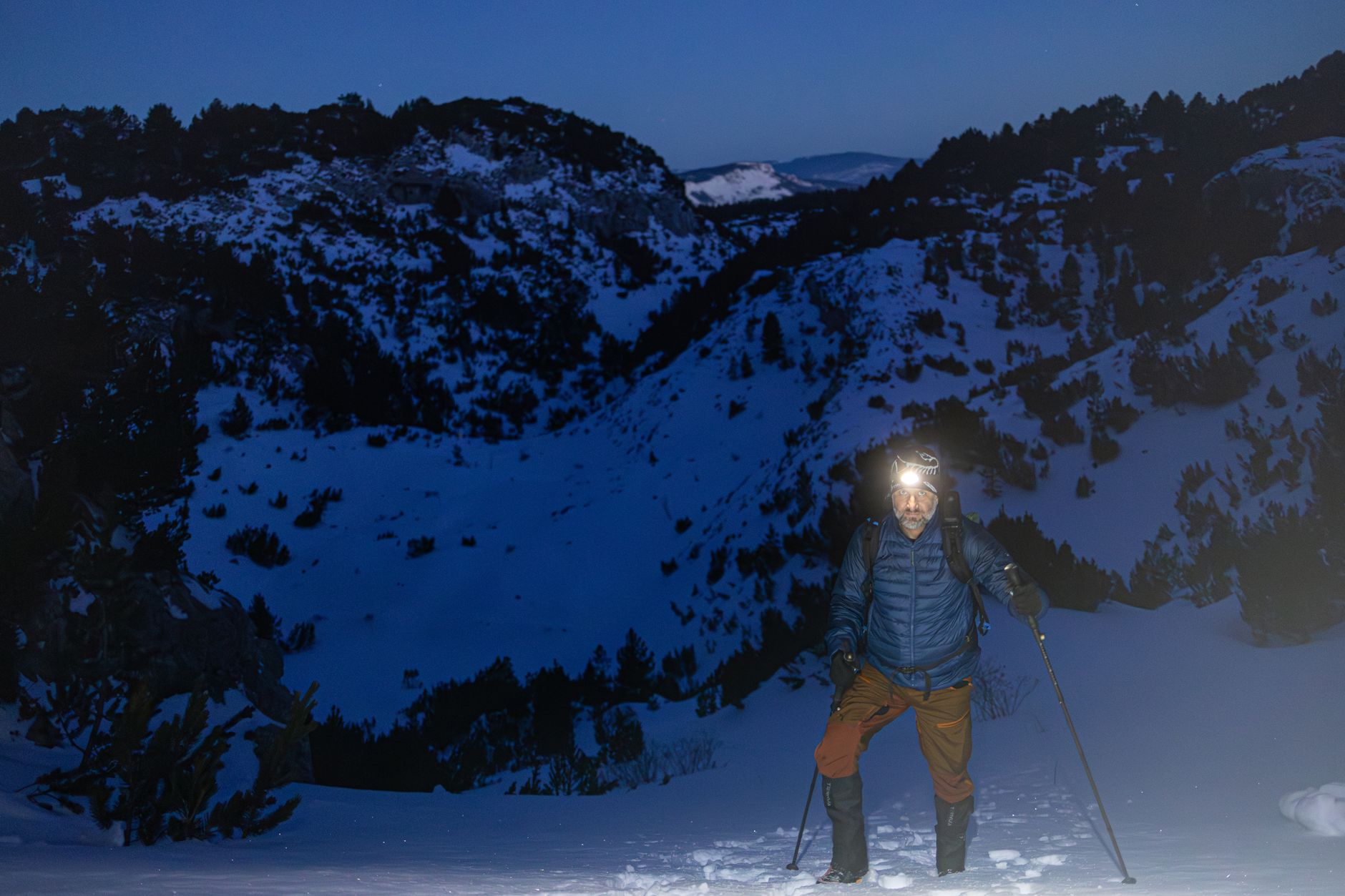
What it is
Lighting and navigation are what turn a delayed walk into an inconvenience instead of an emergency. Output, burn time, beam pattern and battery type matter more than the headline lumen figure printed on the box.
What is included
- Lamp matched to use and runtime needed
- Battery or cell guidance for the conditions
- Backup light recommendation
- Navigation basics on request
- Warranty and waterproof rating stated
How it works
Use profile
We separate camp use, trail movement and technical night terrain, because each wants a different beam and a different runtime.
Runtime check
We read the regulated runtime, not the peak lumens, since most lamps drop output sharply after a few minutes.
Power choice
We compare rechargeable and replaceable cells against cold weather and trip length, where replaceable cells still win.
Redundancy
We set up a backup light source and, where relevant, a map and compass that do not depend on a battery.
Frequent questions
How many lumens do I actually need?
For camp and trail, 200 to 350 regulated lumens is plenty. Very high outputs exist for running and technical terrain and drain batteries quickly.
Rechargeable or normal batteries?
Rechargeable for regular short use, replaceable cells for long trips and cold weather where you cannot recharge and lithium cells perform better.
Do I still need a compass with GPS?
On any serious route, yes. A map and compass do not run out of battery, lose signal or break when dropped.
Related
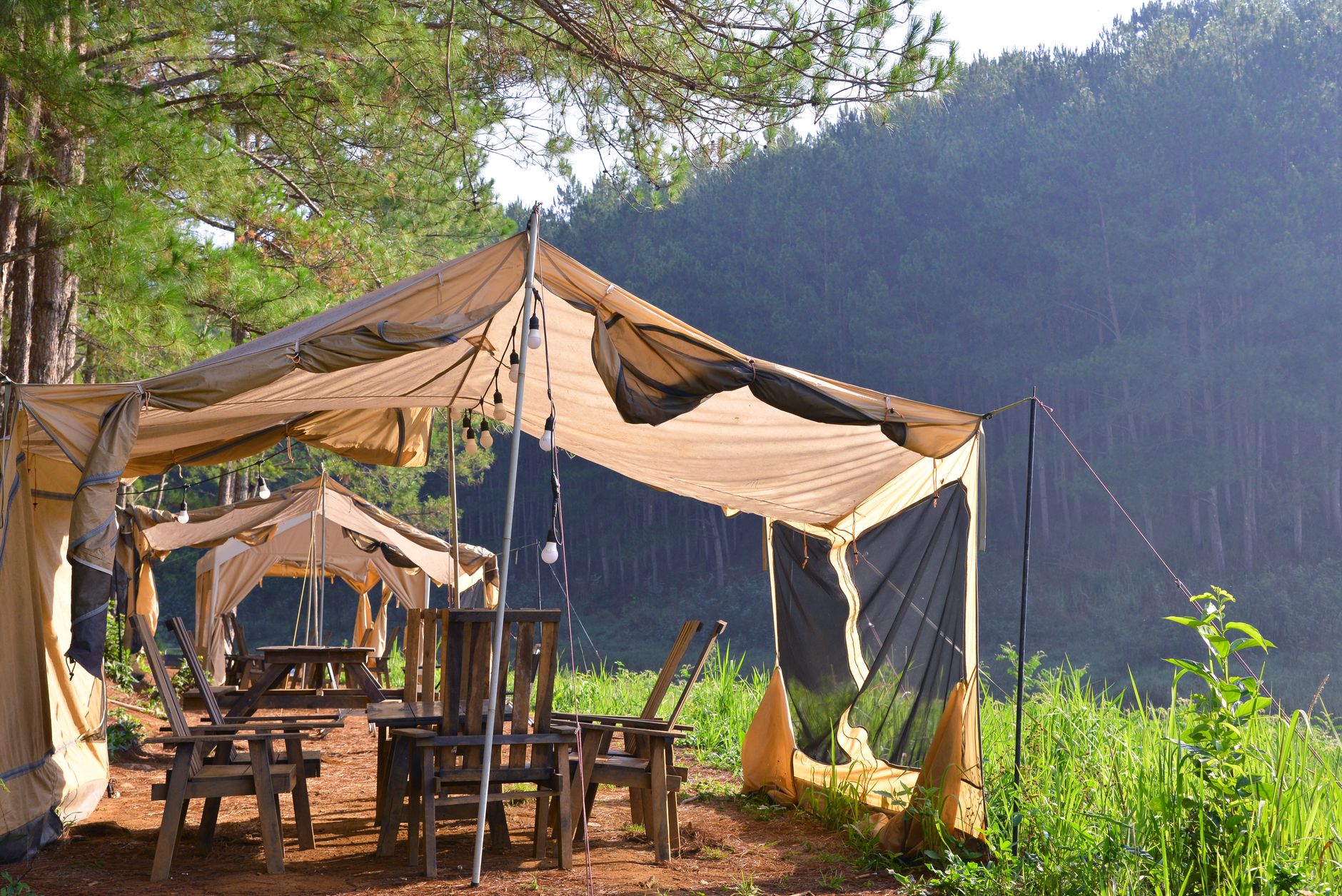
Rated for real weather
Tents and shelters
Tents selected by season rating, hydrostatic head and pole strength, pitched with you before you leave.
Route detail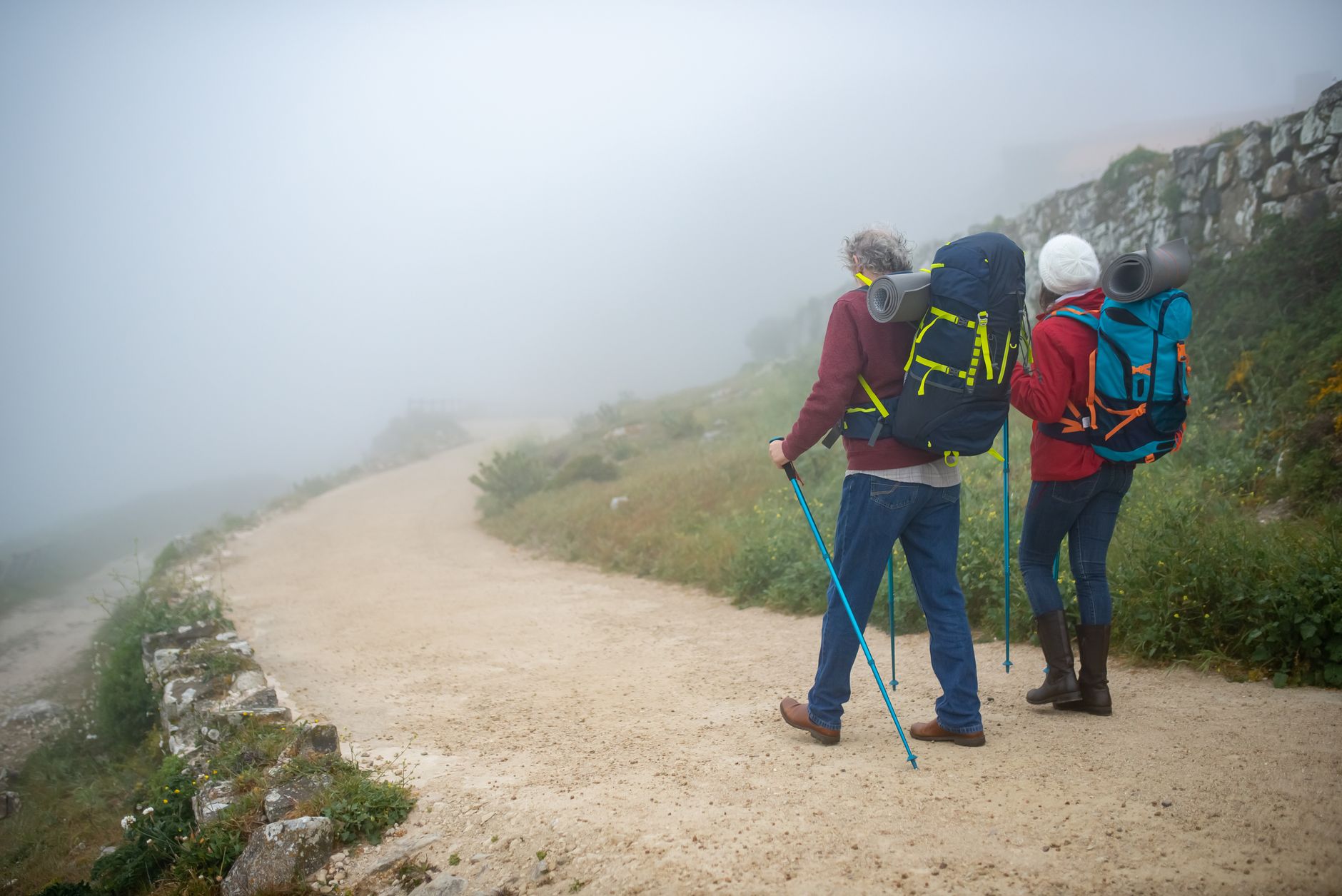
Fitted to your torso
Backpacks and carry systems
Packs sized by measured torso length and fitted loaded, so the weight sits on the hips.
Route detail
Certified hardware
Trekking and climbing gear
Harnesses, ropes and hardware supplied as a compatible system with the standard marking visible.
Route detail